
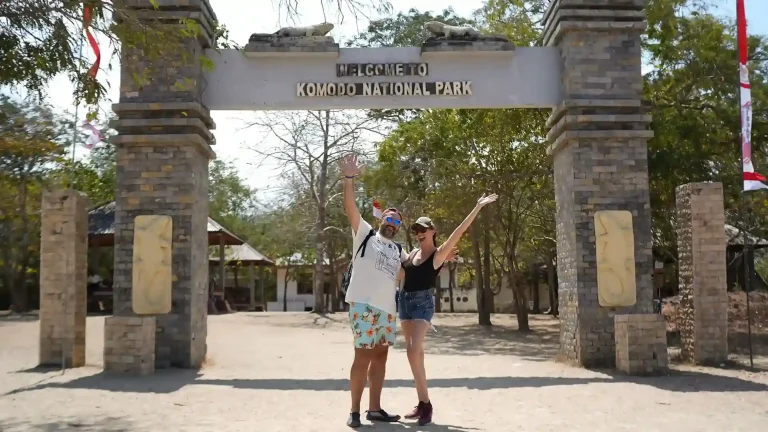
What Is the Best Time for a Komodo Wellness Escape?
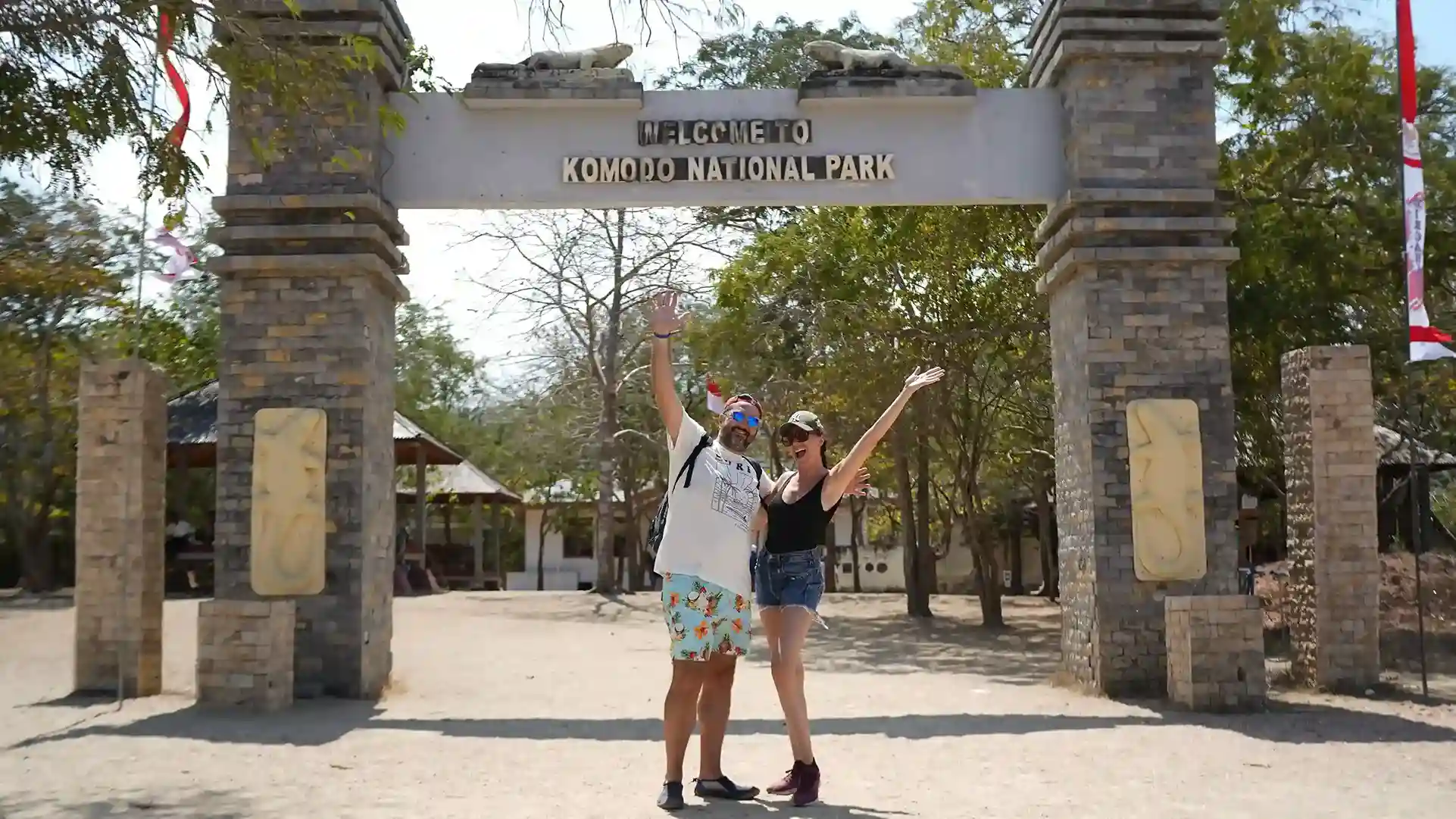
- Peak Conditions (June-September): Ideal for diving with maximum visibility, hiking Padar Island, and observing active Komodo dragons.
- Shoulder Months (April-May & Oct-Nov): Fewer visitors, lush green landscapes post-rainy season, and excellent manta ray sightings.
- Marine Life: Manta ray aggregations are most prominent from June to October, while water temperatures are warmest from October to December.
The air is thick with the scent of salt and dry earth, a primal perfume unique to the Lesser Sunda Islands. From the teak deck of our phinisi, the sun feels impossibly warm on the skin, a stark contrast to the cool, deep blue of the Flores Sea. A low thrum from the engine is the only sound breaking the silence as we glide past gnarled, savanna-like islands that seem to have remained untouched for millennia. This is the very essence of a Komodo journey—a profound and immediate disconnection from the everyday, and the first step in a genuine wellness immersion. But timing, as with all great things, is everything. The archipelago moves to a powerful, biannual rhythm, and aligning your journey with its pulse is the first, most critical decision in crafting an unforgettable escape.
Decoding Komodo’s Two Seasons: The Dry and The Wet
Unlike the four-season cadence many of us are accustomed to, the Komodo National Park, a UNESCO World Heritage site since 1991, operates on a simpler, more dramatic climatic cycle: the dry season and the wet season. Understanding the nuances between these two periods is fundamental to planning the best time for a Komodo wellness escape. The entire region, covering 1,733 square kilometers of rugged islands and rich marine territory, is governed by monsoonal winds. The southeast monsoon brings arid air from the Australian continent, creating the dry season, which typically runs from April through November. During these months, you can expect day after day of brilliant sunshine, low humidity, and placid seas. Air temperatures consistently hover around 30-32°C (86-90°F), while the lack of rain ensures that hiking trails on islands like Padar and Rinca are firm and accessible. This is the season of clarity, both above and below the water, making it the universally recommended window for travel.
Conversely, the northwest monsoon ushers in the wet season, from roughly December to March. This period is characterized by higher humidity, cloud-filled skies, and regular, often intense, rainfall. While it rarely rains all day, the downpours can be significant, and the accompanying winds can churn the seas, making inter-island crossings less comfortable and sometimes unpredictable. For a journey centered on wellness—which in Komodo is intrinsically linked to outdoor activities like diving, snorkeling, sunrise yoga on deck, and dragon-seeking treks—the wet season presents considerable challenges. Sea visibility can drop from 30 meters to less than 15, and certain dive sites may become inaccessible due to strong surface currents and waves. For these reasons, many premier liveaboard operators, including our own komodo wellness charters, undergo annual maintenance during the peak of the wet season, typically January and February, to ensure absolute safety and peak vessel condition.
The Peak Window: June to September for The Quintessential Komodo Experience
Within the long dry season, the months of June, July, and August represent the absolute peak for a Komodo expedition. If your vision of wellness involves vibrant activity, exceptional wildlife sightings, and textbook-perfect tropical days, this is your window. The conditions are, in a word, sublime. The sea is often as flat as glass, and underwater visibility can reach an astonishing 40 meters, revealing the full spectrum of Komodo’s famed marine biodiversity. This is when the legendary currents, which deliver so much nutrient-rich water to the reefs, are at their most manageable for experienced divers. It’s the time to descend into the aquatic theater of Castle Rock or Batu Bolong and witness a density of marine life that few places on Earth can rival.
Above the water, this period aligns with the Komodo dragons’ mating season. From July through August, the world’s largest lizards are at their most active, with males often traveling several kilometers a day in search of mates, engaging in dramatic territorial disputes. A guided walk on Rinca or Komodo Island with a seasoned ranger offers a high probability of witnessing this raw, prehistoric behavior. The trade-off for these perfect conditions is, predictably, popularity. These months coincide with European and North American summer holidays, meaning Labuan Bajo, the gateway port, is at its most animated, and you’ll share the park’s anchorages with more vessels. For those seeking a premier liveaboard experience, booking well in advance is not just a recommendation; it’s a necessity. We find that our most sought-after charters for these months are often reserved 10 to 12 months prior. To understand how seasonality impacts availability and investment, our Komodo Wellness Pricing & Cost Guide offers a detailed breakdown.
The Insider’s Secret: Shoulder Season Serenity in April-May and October-November
As a travel editor, I’m often asked for the insider’s take. While the peak season delivers on its promise, my personal preference—and the secret I share with discerning clients—lies in the shoulder seasons: April to May and again from October to November. This is arguably the absolute best time for a Komodo wellness escape, offering a masterful blend of excellent conditions and a profound sense of tranquility. In April and May, the archipelago is emerging from the wet season, and the transformation is remarkable. The usually arid, savanna-like hills of the islands are blanketed in a vibrant, almost iridescent green. The landscape is alive and photogenic, a stark contrast to the scorched golden hues of the late dry season. The crowds have yet to arrive, the waters are placid, and the manta rays are beginning to aggregate in significant numbers at their cleaning stations.
The later shoulder season, from October to November, offers a different kind of magic. The tourist numbers have dwindled, restoring a palpable sense of isolation and discovery to the park. The air remains dry, but the water temperatures reach their annual peak, often a balmy 28-29°C (82-84°F), making for long, comfortable dives and snorkeling sessions without the need for a thick wetsuit. This is a fantastic time for encountering majestic oceanic manta rays, which continue to frequent sites like Manta Point and Karang Makassar. This period strikes the perfect balance for a wellness-focused journey: you get all the benefits of the dry season climate with a fraction of the traffic, allowing for a more intimate, meditative connection with the environment. It’s the time when you can anchor in a secluded cove and feel as if you have the entire prehistoric world to yourself.
The Aquatic Realm: Timing Your Dive and Snorkel Adventures
For many, the soul of a Komodo wellness journey is found beneath the waves. The park’s marine environment is a global center of biodiversity, a fact corroborated by Indonesia’s own Ministry of Tourism, which notes the area protects over 1,000 species of fish and 260 species of reef-building coral via its official portal, indonesia.travel. Timing your visit is crucial to experiencing this underwater world at its most spectacular. The primary factor for divers and snorkelers is water visibility, which is directly tied to the seasons. From May through October, the lack of rain and land runoff results in exceptionally clear water, frequently exceeding 30 meters. This clarity transforms a dive site from a mere location into a fully immersive amphitheater of marine life.
Specific marine encounters are also seasonal. While manta rays can be spotted year-round, the dry season, particularly from June to October, sees them gather in the largest numbers for cleaning and feeding. The currents, though ever-present, tend to be more predictable during this time, allowing skilled dive guides to choreograph encounters at famous sites. However, it’s essential to note the temperature differential within the park. The central and northern areas generally maintain a warm 27-29°C. In contrast, the southern regions, including parts of Padar and Rinca, are exposed to the Indian Ocean, which brings cooler, nutrient-rich upwellings. Here, water temperatures can drop to 22-24°C (72-75°F). While this cooler water fuels an explosion of life, a 3mm to 5mm wetsuit becomes essential. For a comprehensive overview of the region’s top sites and what to expect, The Definitive Komodo Wellness Guide is an invaluable resource for planning your underwater itinerary.
Quick FAQ: Your Komodo Wellness Timing Questions Answered
Is it worth visiting Komodo during the rainy season?
For a liveaboard-centric wellness trip, I would advise against it. While land-based resorts in Labuan Bajo can still offer a pleasant stay, the core Komodo experience is sea-based. The rainy season (December-March) brings a high probability of rough seas, which can lead to uncomfortable crossings and the cancellation of diving or hiking excursions for safety reasons. Many of the most reputable operators, including Komodo Wellness, use January and February for essential vessel maintenance, reflecting the challenges of operating during this period.
How far in advance should I book for peak season?
For the peak months of July and August, I recommend securing your charter 9 to 12 months in advance. The demand for high-quality private vessels far outstrips supply, and the best options are reserved early. For the shoulder season months (April-May, October-November), a lead time of 4 to 6 months is generally sufficient, though booking earlier is always wise. You can explore current availability and vessel options on our booking page to start the process.
Does the moon phase affect a Komodo trip?
Absolutely, and this is a detail seasoned travelers consider. The full moon and new moon phases create spring tides, which significantly amplify Komodo’s already strong currents. This can create challenging, expert-only conditions at certain dive sites. Conversely, it can also trigger incredible spectacles of feeding frenzies. For a more relaxed diving and swimming experience, planning your trip during the neap tides (the week of the first and third quarter moon) is a smart strategy. Additionally, a new moon offers the darkest skies, perfect for stargazing from the deck and witnessing the magic of marine bioluminescence.
Ultimately, the “best” time is a deeply personal calculation, weighing your tolerance for crowds against your desire for peak conditions. Whether you choose the vibrant energy of August or the quiet solitude of November, the ancient rhythms of this archipelago promise a profound reset. Planning a journey into this prehistoric paradise begins with understanding its pulse. When you are ready to curate your perfect escape, the experts at komodo wellness are prepared to translate your vision into an unforgettable reality.
Keep Reading
Uncategorized
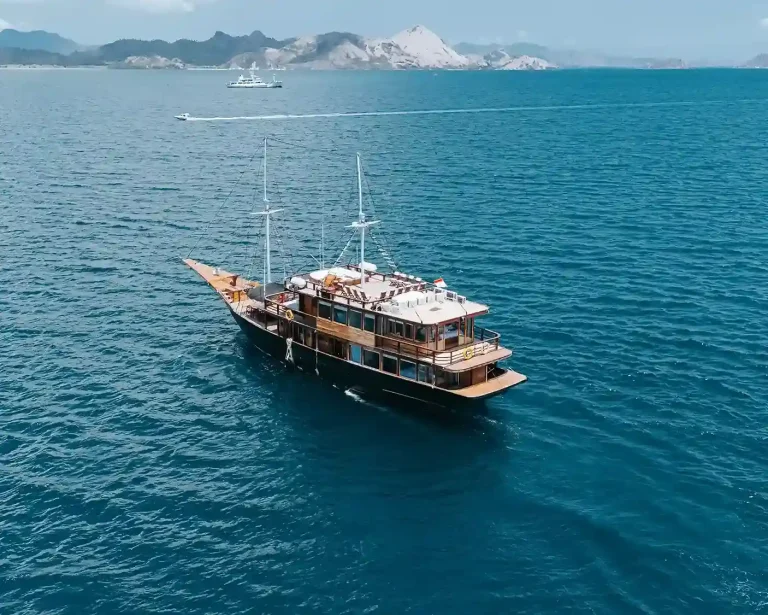
Komodo Luxury Cruise: Premium vs. Standard – A Detailed Comparison for 2027
Choosing a Komodo cruise involves understanding the distinct differences between premium and standard options. This guide details vessel specifications, pricing…
Uncategorized
Labuan Bajo Liveaboard Options: A Comparative Guide for 2027
Choosing a Labuan Bajo liveaboard for 2027 requires understanding the various options available, from budget-friendly shared cabins to luxurious private…
Uncategorized
Wellness Retreat Style Trips in Eastern Indonesia
Understanding Wellness Retreats in Eastern Indonesia Wellness retreat style trips in Eastern Indonesia, particularly in the Komodo region, focus on…