
What is the Best Time for a Luxury Wellness Retreat in Komodo?
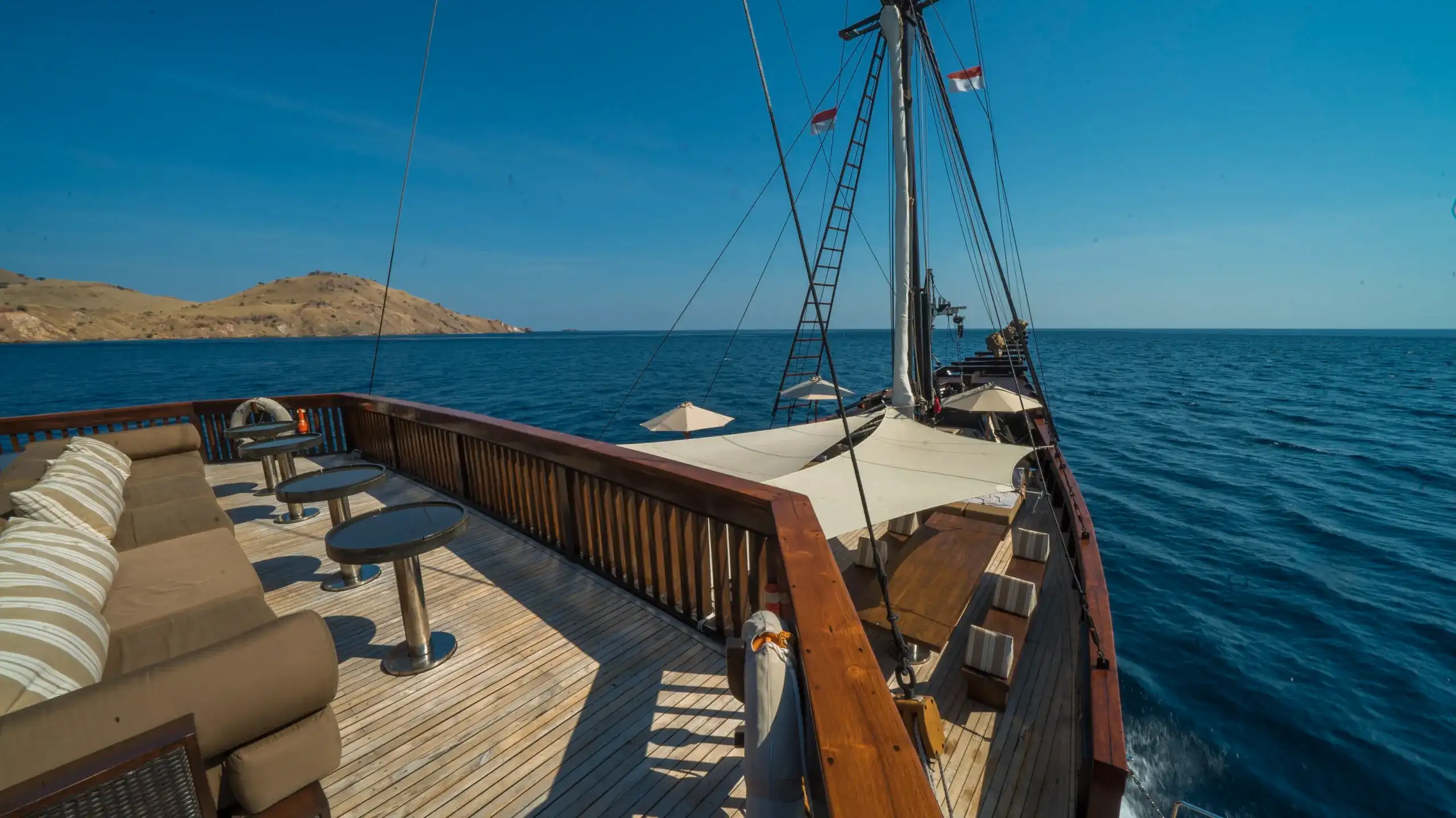
- Optimal Marine Conditions: Seas are calm and water visibility can exceed 30 meters, perfect for diving and snorkeling.
- Ideal Terrestrial Activities: Lower humidity and clear skies create perfect trekking conditions for viewing Komodo dragons.
- Uninterrupted Wellness: Minimal rainfall ensures that on-deck yoga, meditation, and private beach excursions proceed without weather-related disruptions.
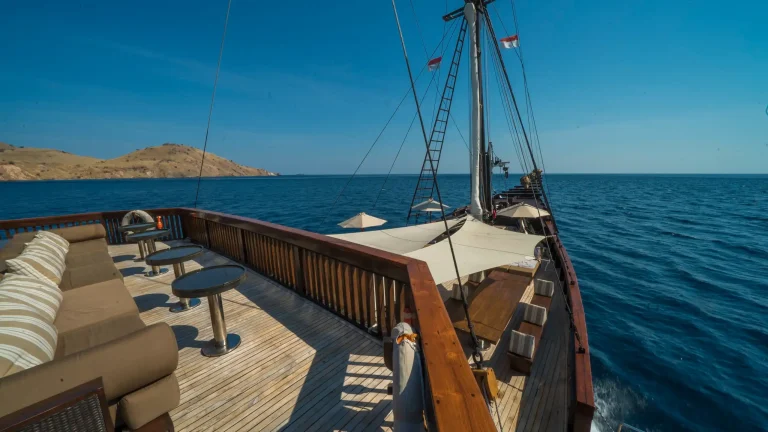
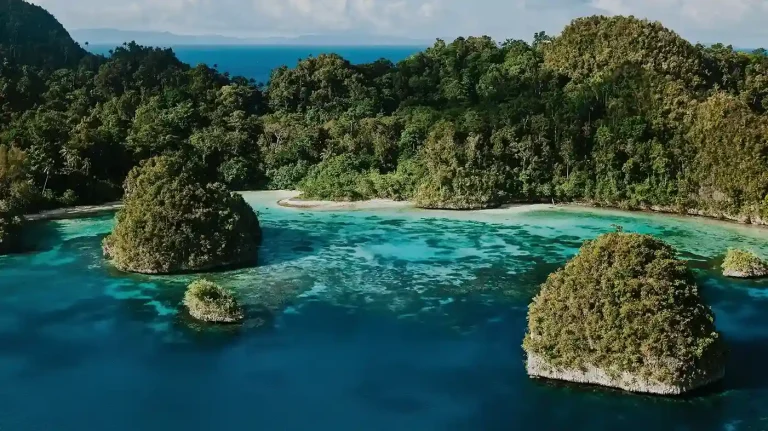
The air is thick with the scent of salt and dry earth, a primal perfume that signals your arrival. From the sundeck of a custom-built phinisi schooner, the sea is a placid sheet of turquoise, disturbed only by the shadow of a passing eagle ray. This is not merely a vacation; it is a full-body recalibration set against a landscape millions of years in the making. The question we receive most often in our editorial office isn’t if one should a luxury wellness retreat in Komodo, but precisely when. Timing, in this ancient archipelago, is everything. It dictates the clarity of the water, the activity of the fauna, and the very color of the sawtooth hills. Choosing your moment is the first, and most critical, step in crafting an experience that transcends travel and becomes truly transformative.
Decoding Komodo’s Two Seasons: The Dry and The Verdant
Unlike the four distinct seasons of temperate climates, the Komodo archipelago, situated just eight degrees south of the equator, operates on a simpler, more dramatic rhythm: the dry season and the wet season. Understanding this fundamental duality is the key to unlocking your ideal journey. The dry season, running roughly from April through October, is what most would consider the prime window. During these months, the prevailing southeasterly trade winds keep the skies clear and the humidity at bay. Temperatures consistently hover between 28-32°C (82-90°F), creating perfect conditions for both languid afternoons on a sun-drenched deck and more strenuous activities like the iconic trek up Padar Island. This is, unsurprisingly, the peak operational period for elite charters. At Komodo Wellness, our fleet is fully deployed, calm, crystalline waters that offer visibility often reaching a spectacular 30 meters. The landscape takes on a stark, beautiful character—the savannah-like hills burnished to a golden ochre, a dramatic contrast against the impossibly blue sea. It’s a photographer’s dream and a wellness seeker’s paradise, where the reliability of the weather ensures no planned activity is ever in jeopardy.
Conversely, the wet season, from November to March, presents a different, though no less compelling, version of Komodo. The winds shift, coming from the west and bringing with them higher humidity and daily rainfall. While this might sound prohibitive, the reality is often short, intense downpours, typically in the afternoon, that give way to clear skies. The islands undergo a startling transformation, the parched hills erupting into a vibrant, almost fluorescent green. Average rainfall in January can be over 200mm, compared to less than 20mm in August. This season offers a profound sense of solitude, as fewer vessels ply these waters. For a certain type of traveler, this verdant, dramatic setting provides the ultimate escape, a chance to connect with the raw power of nature. However, it requires flexibility; sea conditions can be less predictable, and some northern dive sites may be less accessible due to surface chop.
The Prime Window: April to June for Balanced Perfection
For those who seek the perfect equilibrium, the period from April to June is, in my professional opinion, the undisputed sweet spot. This is the shoulder season that follows the rains, and it offers a sublime synthesis of the best attributes of both climatic cycles. The landscape, still saturated from the monsoon, retains a lush, emerald vibrancy that will fade as the dry season progresses. Yet, the rains have ceased, the humidity has dropped, and the sky is a vast, reliable cerulean canvas. The tourist surge of the high summer months has yet to materialize, affording a delicious sense of having this prehistoric world almost to yourself. I recall a conversation with our head of expeditions, a man who has charted these waters for two decades, who described May as offering “the best of both worlds—emerald hills and sapphire seas, without the crowds.” This is the time for uninterrupted sunrise yoga on the bow, the only sound the gentle lapping of water against the hull. It’s the moment for a silent, meditative snorkel over pristine coral gardens, feeling as though you are the first to discover them. Marine life is particularly dynamic during this window. Manta ray congregations at sites like Karang Makassar (Manta Point) are frequent and spectacular. The water temperature is a balmy 27-29°C (80-84°F), making for comfortable, extended immersion. For a truly bespoke luxury wellness retreat in Komodo, this period provides the ideal canvas, offering climatic perfection and a level of exclusivity that becomes rarer as the year progresses.
Peak Season Prowess: Navigating July and August
Enter high season. July and August represent Komodo at its most accessible and climatically dependable. The reason for the surge in visitors is simple: it aligns perfectly with the summer holidays in Europe and North America, and the weather is, without exaggeration, flawless. The chance of rainfall is virtually zero, and the seas are at their calmest, making for exceptionally smooth sailing between the islands of the Komodo National Park. This is a significant factor, as the park—a designated UNESCO World Heritage site—spans over 1,733 square kilometers of land and sea. The reliability is a major draw for families and those on a fixed schedule who want to guarantee that every planned excursion, from seeing the dragons on Rinca Island to watching thousands of flying foxes emerge at dusk from Kalong Island, goes off without a hitch. However, this popularity comes with a caveat: you will be sharing paradise. Popular anchorages and iconic sites like Pink Beach can become congested with day-trip boats from Labuan Bajo. Komodo Airport (LBJ) experiences a traffic increase of nearly 40% during these months. This is precisely where the value of a top-tier private charter becomes most apparent. An experienced crew, like the one helming our Komodo Wellness vessels, possesses the intimate knowledge to navigate away from the crowds. While others follow a well-trodden path, your captain can find a secluded cove for a private lunch, an untouched reef for an afternoon snorkel, or a deserted beach for a sunset meditation session. You operate on your own schedule, far from the tourist timetable, transforming the potential chaos of high season into an experience of profound and protected serenity.
The Golden Hours: September and October’s Serene Appeal
As the summer crowds disperse, a palpable sense of calm descends upon the archipelago. September and October are the golden months, a second shoulder season that many seasoned Komodo travelers, myself included, consider a lesser-known spot. The weather remains magnificent—dry, sunny, and stable—but the energy is softer, more contemplative. The light, in particular, takes on a different quality. The lower angle of the sun casts long shadows and bathes the rugged landscapes in a warm, honeyed glow, making it a spectacular time for photography. Marine encounters are still at their peak. The water remains warm and clear, and the dive sites are now blissfully uncrowded. It’s an ideal time to pursue advanced dive certifications or simply spend hours snorkeling, fully immersed in the underwater world. The Komodo dragons, past their peak mating season of July and August, remain highly active and visible as they forage for food before the coming rains. This period is exceptionally conducive to the wellness aspect of a retreat. The quietude amplifies the experience of a guided sound bath on deck or a private spa treatment in your cabin. The slower pace allows for deeper connection—with nature, with your fellow travelers, and with yourself. From a logistical standpoint, there is often more flexibility and availability. While demand is still strong, it’s a favorable time to review our Komodo Wellness Pricing & Cost Guide and plan a journey that aligns perfectly with your intentions for renewal and discovery. This is Komodo in its most relaxed and refined state.
The Verdant Gamble: Considering the Wet Season (November to March)
To dismiss the wet season entirely would be to miss a unique and dramatic facet of Komodo’s personality. From November to March, the archipelago undergoes a radical metamorphosis. The parched, savannah-like islands are reborn in a riot of green, the life-giving force of the monsoon rains. This is a time for the intrepid traveler, the one who values solitude above all else and is willing to embrace a degree of unpredictability. The primary challenges are meteorological. The westerly winds can create rougher sea conditions, particularly in the open straits between islands, making some crossings less comfortable. Water visibility for diving can be reduced due to runoff from the islands, though it can still be rewarding. According to Indonesia’s official tourism portal, marine conditions are a critical factor for year-round travel planning. Yet, the rewards are substantial. You will encounter a fraction of the visitors seen in the dry season. The dramatic, cloud-filled skies create striking, moody landscapes. A local divemaster I’ve known for years calls this the “photographer’s season,” for its exceptional drama and color. A luxury wellness retreat during this period shifts its focus inward. It becomes less about constant outdoor activity and more about deep restoration. Imagine a powerful rainstorm from the comfort of a luxurious cabin, a private yoga session in a sheltered saloon, or an extended Balinese massage as the rain patters on the roof. It is a gamble, but for those seeking a truly introspective and isolated escape, it can pay off handsomely.
Quick FAQ: Timing Your Komodo Wellness Experience
When is the absolute best time for spotting Manta Rays?
While manta rays are present year-round, the peak viewing season is generally considered to be the dry season, from April to October. The months of April, May, and June are particularly exceptional, offering a confluence of high manta numbers at cleaning stations and superb water clarity, with visibility often exceeding 25 meters, making for truly unforgettable encounters.
Is it too hot in the dry season for hiking to viewpoints like Padar Island?
Temperatures can indeed reach 32°C (90°F) during the midday heat. However, on a private charter, we curate the experience to avoid this. All significant treks are scheduled for the very early morning to catch the sunrise or in the late afternoon for the sunset. This not only bypasses the most intense heat but also provides the most spectacular light for photography and a more comfortable, rewarding physical experience.
Can I book a retreat over the Christmas and New Year period?
Absolutely. This is a very popular and magical time to be in the archipelago. It falls squarely in the wet season, so you should anticipate some afternoon rain showers and more dramatic skies. The atmosphere is festive and unique. Due to extreme demand for this holiday window, it is essential to Book Komodo Wellness many months, or even a year, in advance to secure your place on one of our vessels.
How does the season affect the cost of a luxury wellness retreat in Komodo?
Like most premier travel destinations, pricing is influenced by demand. The peak months of July and August typically see the highest demand and subsequently command premium rates. The shoulder seasons (Apr-Jun, Sep-Oct) can sometimes offer more value. For a complete financial overview, we have created a detailed Komodo Wellness Pricing & Cost Guide to help you understand the investment and plan your journey accordingly.
Ultimately, the “best” time to visit Komodo is a deeply personal choice, weighed against your tolerance for heat, your desire for solitude, and your primary objectives—be they diving, hiking, or pure, unadulterated relaxation. The dry season from April to October offers the path of least resistance and greatest certainty, a flawless backdrop for a journey of restoration. Yet, the true luxury of an experience like this lies in its inherent flexibility. A private charter transcends the rigid constraints of seasons and crowds, allowing for a bespoke itinerary that responds to the whims of both the weather and your own heart. The ancient, dragon-guarded islands are waiting. The only remaining question is which version of paradise you wish to see. Explore the possibilities and begin designing your transformative journey with Komodo Wellness today.
Keep Reading
Uncategorized
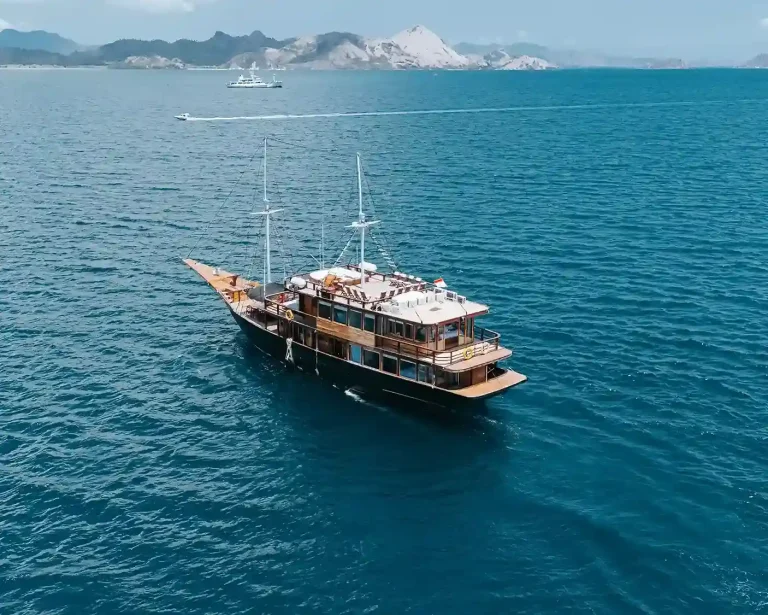
Komodo Luxury Cruise: Premium vs. Standard – A Detailed Comparison for 2027
Choosing a Komodo cruise involves understanding the distinct differences between premium and standard options. This guide details vessel specifications, pricing…
Uncategorized
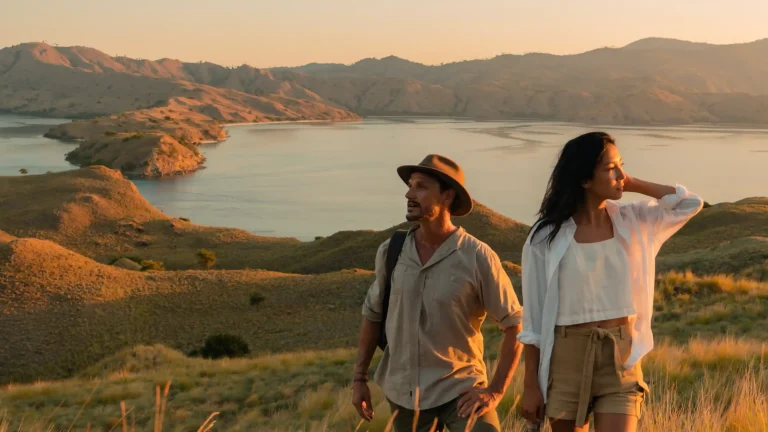
Labuan Bajo Liveaboard Options: A Comparative Guide for 2027
Choosing a Labuan Bajo liveaboard for 2027 requires understanding the various options available, from budget-friendly shared cabins to luxurious private…
Uncategorized
Wellness Retreat Style Trips in Eastern Indonesia
Understanding Wellness Retreats in Eastern Indonesia Wellness retreat style trips in Eastern Indonesia, particularly in the Komodo region, focus on…