
A Price Guide for Your Komodo Island Wellness Liveaboard Trip
- Vessel Tier: Costs escalate from comfortable mid-range phinisis to ultra-luxury yachts with high crew-to-guest ratios.
- Seasonality: Expect to pay a 20-30% premium during the peak dry season from April to November.
- Wellness Inclusions: The price reflects additions like private yoga instructors, onboard massage therapists, and specialized chefs.
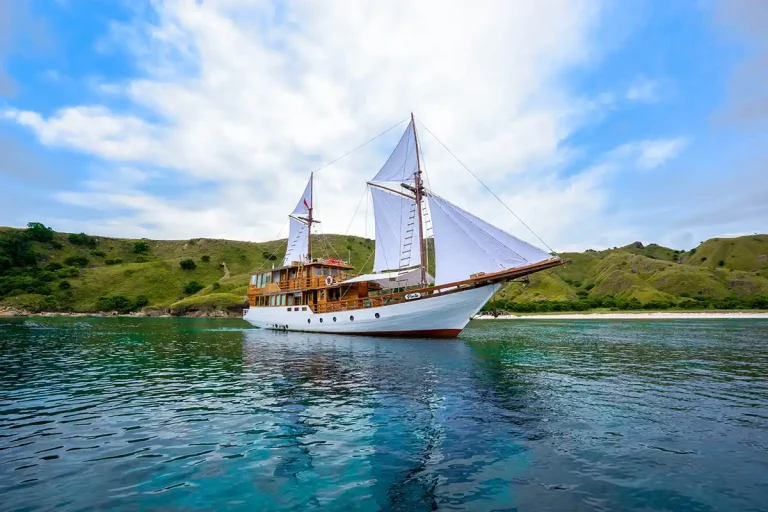
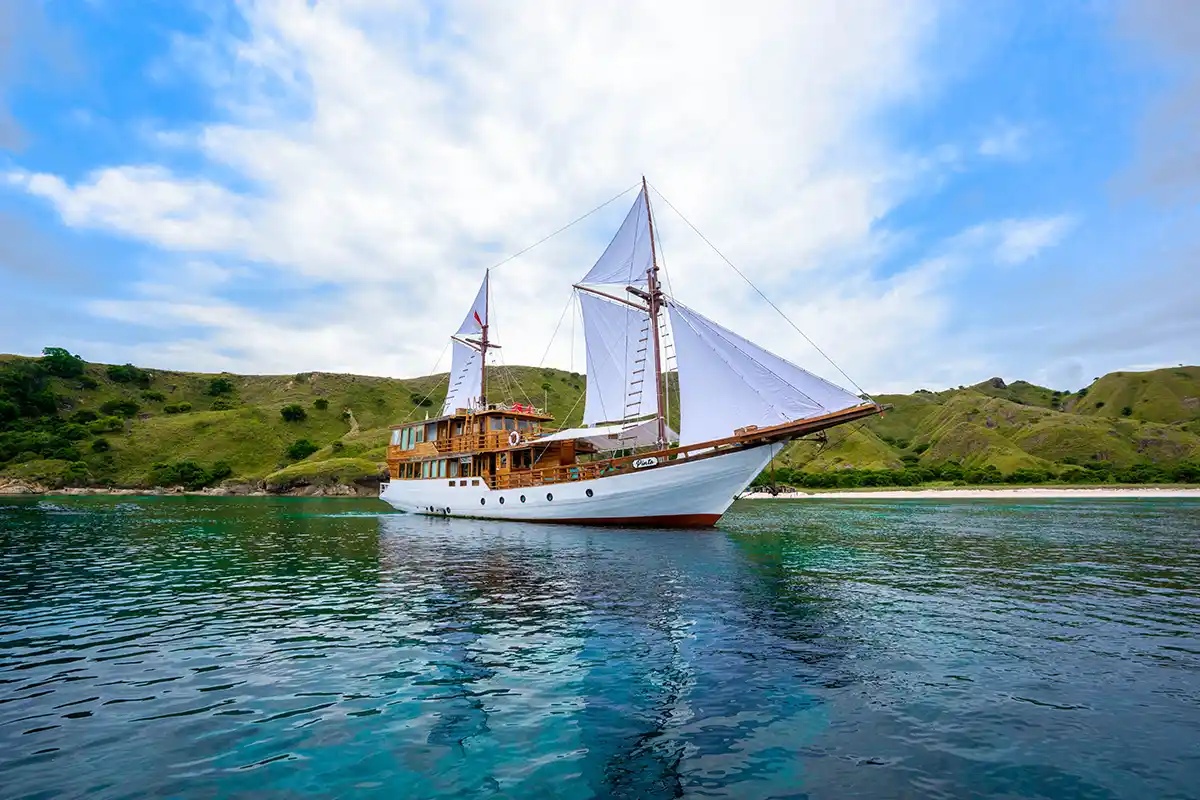
The teak deck is warm underfoot, radiating the morning sun. A gentle breeze carries the scent of salt and the distant, earthy aroma of Rinca Island. Below, the Flores Sea shifts in shades from pale turquoise to a profound sapphire. Our phinisi, a traditional two-masted schooner, cuts cleanly through the water, its sails full. This is the rhythm of the islands, a slow, deliberate cadence that invites you to exhale. A journey here is not merely a vacation; it is a recalibration. But as with any finely crafted experience, understanding the investment is the first step. Discerning the value in a Komodo expedition requires looking beyond the brochure and into the details that separate a simple boat trip from a truly restorative journey.
Deconstructing the Liveaboard Tiers: From Shared Cabins to Private Charters
As a travel editor, I’ve learned that the term “liveaboard” casts a wide net. In Komodo, this spectrum runs from functional dive vessels to floating boutique hotels. Your primary cost is, without question, the vessel itself. Let’s break down the tiers. At the entry-level, you’ll find boats catering to backpackers and serious divers on a budget, often priced around $300-$500 per person, per night. These are typically shared-cabin arrangements with communal bathrooms and basic, though often delicious, Indonesian fare. While they offer access to the same extraordinary nature, they lack the privacy and bespoke service central to a wellness experience.
The mid-range, from $500 to $900 per night, is where comfort becomes a priority. Here you’ll find private, air-conditioned cabins with ensuite bathrooms, more expansive deck space, and a higher crew-to-guest ratio. The vessels are often beautifully crafted phinisis, the iconic wooden ships of the Bugis people, a design whose history you can trace on Wikipedia. This is an excellent middle ground. However, for a genuine wellness focus, one must look to the luxury tier. Ranging from $1,000 to over $2,500 per person per night, these are the vessels that define the Komodo Wellness experience. We’re talking about sprawling master suites with private balconies, professional chefs, dedicated dive masters, and the space to truly disconnect. A 6-cabin luxury phinisi might host only 8 guests, ensuring exceptional service. A private charter of such a vessel for a week can range from $40,000 to over $100,000, but for a family or small group, this offers the ultimate in curated privacy and itinerary control.
The Anatomy of Your All-Inclusive Rate: What’s Really Covered?
The phrase “all-inclusive” can be misleading. A transparent operator will provide a clear delineation of costs, but it’s an area where I advise clients to pay close attention. Your quoted daily rate on a luxury liveaboard almost always covers the essentials: the private cabin, three multi-course meals per day plus snacks and non-alcoholic beverages, and the services of the core crew. For adventure, it typically includes guided activities like snorkeling, kayaking, paddleboarding, and up to four dives per day for certified divers. This also includes the tanks, weights, and the expertise of a PADI-certified divemaster who knows these currents intimately.
However, the exclusions are where your budget can expand. The most significant variable is the Komodo National Park entrance and conservation fees. These are set by the government and can fluctuate, but you should budget between $150 to $250 per person for a 4-to-6-day trip. Other common add-ons include rental of specialized dive equipment (a BCD and regulator set runs about $40-$50 per day), Nitrox air for longer bottom times ($10-$15 per tank), and alcoholic beverages. While a cold Bintang beer might only be $5, a decent bottle of imported wine can easily cost $60-$90 due to Indonesia’s import taxes. Finally, and crucially, is the crew gratuity. The standard practice is to tip 10-15% of the charter cost, presented in cash at the end of your voyage. For a $10,000 per person trip, that’s an additional $1,000-$1,500 to factor in. For a more detailed breakdown, our comprehensive Komodo Wellness Pricing & Cost Guide is an invaluable resource.
Seasonality and Itinerary: How Timing and Route Affect Your Bottom Line
The Indonesian archipelago moves to the rhythm of two seasons, and your travel dates have a direct and significant impact on price. The prime time for a Komodo Island wellness liveaboard is the dry season, which runs roughly from April through November. During these months, the seas are calmer, the skies are clearer, and underwater visibility can exceed 30 meters. This is peak season, and demand drives prices up by as much as 30% compared to other times of the year. Booking a charter for July or August, for example, should be done 9 to 12 months in advance to secure a premier vessel.
Conversely, the wet season, from December to March, sees fewer travelers and lower prices. While you might encounter daily rain showers and rougher seas, particularly in January and February, the landscape is incredibly lush and green. For those focused more on the above-water experience and willing to be flexible, this can be a savvy time to travel. Your itinerary length also shapes the cost. A classic 4-day/3-night “Central Komodo” loop covering Padar Island, Rinca, and the famous Pink Beach is a popular and cost-effective option. However, to truly explore the diversity of this UNESCO World Heritage site, I recommend a 7-day or even 10-day charter. These longer routes allow you to venture to the cooler waters of South Komodo, known for its manta ray congregations, or the remote, pristine reefs of the north, adding significantly to fuel and provisioning costs but delivering an exponentially richer experience.
Beyond the Boat: Factoring in Flights, Park Fees, and On-Shore Expenses
Your liveaboard charter is the centerpiece of the budget, but it is not the entirety of it. Getting to the embarkation point, the burgeoning harbor town of Labuan Bajo (LBJ) on the island of Flores, is the first logistical and financial hurdle. There are no direct international flights to Labuan Bajo; you must connect through a major Indonesian hub, most commonly Bali (DPS) or Jakarta (CGK). A round-trip flight from Bali on Garuda Indonesia, the nation’s flagship carrier, can range from $200 in the low season to over $400 in peak season. It’s a short, 70-minute flight, but a necessary expense.
As mentioned, the Komodo National Park fees are a mandatory and substantial line item. The fee structure is complex, combining daily entrance tickets, snorkeling and diving permits, and local government taxes. A reputable operator will handle the payment on your behalf and itemize it on your invoice. According to the official indonesia.travel portal, these fees directly support conservation efforts. I always recommend arriving in Labuan Bajo at least one day before your charter departs. This provides a buffer against flight delays and allows you to decompress. A night at a high-end property like the Ayana Komodo Resort or Sudamala Resort, with rooms from $350 to $700, is a worthy investment to begin your journey in a relaxed state. These ancillary costs—flights, fees, and pre-trip accommodation—can easily add $1,000 or more per person to your total trip cost, a detail covered extensively in The Definitive Komodo Wellness Guide.
The “Wellness” Premium: Investing in Your Onboard Experience
What elevates a Komodo liveaboard from an adventure trip to a wellness retreat? It is the deliberate layering of restorative practices and personnel, and this is where the “wellness premium” comes into play. A standard luxury charter does not automatically include a yoga instructor or a massage therapist. These are specialized services that must be arranged and budgeted for. Securing a certified, experienced yoga instructor to lead twice-daily sessions on the sundeck might add $250-$400 per day to the charter cost. Bringing a professional massage therapist onboard for the duration of a week-long trip can cost between $1,500 and $2,500, plus their cabin.
The culinary program is another key differentiator. While any luxury phinisi has a capable chef, one who specializes in farm-to-table, plant-based, or specific dietary protocols requires a higher level of expertise and more expensive provisioning. This can increase the food and beverage budget by 20-25%. This investment, however, pays dividends in vitality and experience. Imagine a sunrise meditation on the summit of Padar Island, a post-dive mobility session to ease tired muscles, or enjoying a nutritionally optimized meal under a canopy of stars. This is the essence of a true Komodo Island wellness liveaboard. It’s an investment not just in seeing a place, but in improving your own well-being. This is the specific expertise you gain when you book with a dedicated wellness-focused operator, as they have already vetted the practitioners and integrated these elements seamlessly into the journey.
Quick FAQ: Your Komodo Island Wellness Liveaboard Cost Questions Answered
How much should I budget for crew tips?
The industry standard for a luxury charter is 10-15% of the total trip cost. For a $12,000 per person charter, this would be $1,200-$1,800. This is typically given to the captain at the end of the trip, who then distributes it among the entire crew of 8 to 12 members. It is best paid in crisp local currency (Indonesian Rupiah) or US Dollars.
Are there hidden fees I should be aware of?
Transparency is the hallmark of a good operator. Always ask for a complete cost breakdown before booking. Key items to confirm are fuel surcharges (especially with fluctuating global prices), port clearance fees, and the specific components of the national park tickets. A reputable company will have no issue providing this.
Is it cheaper to book directly with a boat owner or through a specialized agent?
While booking directly can sometimes appear cheaper, a specialized agent or a curated provider like Komodo Wellness offers immense value. They have personally inspected the vessels, vetted the crews, and understand the nuances of executing a high-level wellness program at sea. They can also navigate complex logistics and provide a layer of security and quality control that is difficult to achieve when booking from afar.
Can I use my credit card for onboard expenses?
On most high-end vessels, yes, you can settle your final bill for alcohol, rentals, or other incidentals with a credit card. However, be prepared for a processing fee of 3-4% to be added. For this reason, and for tipping, carrying a substantial amount of cash is highly recommended.
Ultimately, pricing a Komodo liveaboard is an exercise in defining your priorities. It is a question of what you value: the privacy of a chartered vessel, the expertise of a dedicated wellness guide, or the simple, profound luxury of time and space in one of the planet’s last wild places. This journey is an investment in memories that will anchor you long after you return to shore, a tangible return of serenity and perspective. To curate a voyage that balances this raw, primal adventure with deep, personal restoration, begin your conversation with the experts at Komodo Wellness. They possess the insider knowledge to translate your vision into a seamless reality.
Keep Reading
Uncategorized
Komodo Luxury Cruise: Premium vs. Standard – A Detailed Comparison for 2027
Choosing a Komodo cruise involves understanding the distinct differences between premium and standard options. This guide details vessel specifications, pricing…

Uncategorized
Labuan Bajo Liveaboard Options: A Comparative Guide for 2027
Choosing a Labuan Bajo liveaboard for 2027 requires understanding the various options available, from budget-friendly shared cabins to luxurious private…
Uncategorized
Wellness Retreat Style Trips in Eastern Indonesia
Understanding Wellness Retreats in Eastern Indonesia Wellness retreat style trips in Eastern Indonesia, particularly in the Komodo region, focus on…